
Single-Layer vs Multi-Layer Fabric Cutting: How to Choose the Right Automatic Cutting Machine

Single-Layer vs Multi-Layer Fabric Cutting: How to Choose the Right Automatic Cutting Machine
Fabric cutting is an essential step in garment manufacturing. The accuracy and efficiency of cutting directly affect fabric utilization, sewing quality and overall production costs.
For garment factories planning to upgrade their cutting process, choosing between a single layer cutting machine and a multi layer cutting machine is an important decision. Both types of automatic fabric cutting machines can improve production efficiency, but they serve different manufacturing needs.
1. What Is a Single-Layer Cutting Machine?
A single layer cutting machine, also known as a single-ply cutting machine, cuts one layer of fabric at a time using a computer-controlled cutting system.
It is particularly suitable for small-batch production, customized garments, frequent style changes and fabrics requiring individual cutting control.
Main advantages:
-
Flexible production for different garment styles
-
Suitable for small orders and sample development
-
Reduced preparation time associated with stacking fabric
-
Accurate cutting of complex patterns with appropriate settings
-
Easier adaptation to changing production requirements
For garment businesses handling varied orders, an automatic single-layer fabric cutting machine can help improve flexibility and reduce manual cutting operations.
2. What Is a Multi-Layer Cutting Machine?
A multi layer cutting machine, or multi-ply cutting machine, cuts multiple layers of stacked fabric in a single cutting operation.
This type of industrial fabric cutting machine is commonly used in factories producing large quantities of garments with repeated patterns.
Main advantages:
-
Multiple fabric pieces cut in one operation
-
Efficient processing of large production batches
-
Reduced cutting cycles for repeated patterns
-
Suitable for standardized garment production
-
Improved productivity when spreading and cutting are well coordinated
However, multi-layer cutting requires proper fabric spreading, layer alignment and cutting parameters to maintain consistent results throughout the stack.
3. Single-Layer vs Multi-Layer Cutting: Key Differences
| Feature | Single-Layer Cutting | Multi-Layer Cutting |
|---|---|---|
| Fabric layers | One layer | Multiple stacked layers |
| Production type | Small batches and customized orders | Medium-to-large production batches |
| Flexibility | High | Depends on spreading and batch planning |
| Preparation | No multi-layer stacking required | Requires fabric spreading and alignment |
| Main advantage | Flexible cutting and quick style changes | High-volume cutting efficiency |
4. How to Choose the Right Automatic Fabric Cutting Machine
The best garment cutting machine depends on production requirements rather than cutting speed alone.
For factories producing customized clothing, sportswear, underwear or frequently changing styles, a single-layer cutting solution may offer greater flexibility.
For factories producing large quantities of T-shirts, uniforms, trousers or other standardized garments, multi-layer cutting equipment may provide better batch efficiency.
Before investing in an automatic cutting machine, manufacturers should consider:
-
Fabric type, thickness and stretch properties
-
Order quantity and style variation
-
Cutting accuracy requirements
-
Fabric utilization and waste control
-
Production capacity and available factory space
5. VMA Automatic Fabric Cutting Solutions
As an industrial sewing machine supplier and garment automation solution provider, VMA offers cutting and sewing equipment for garment manufacturers.
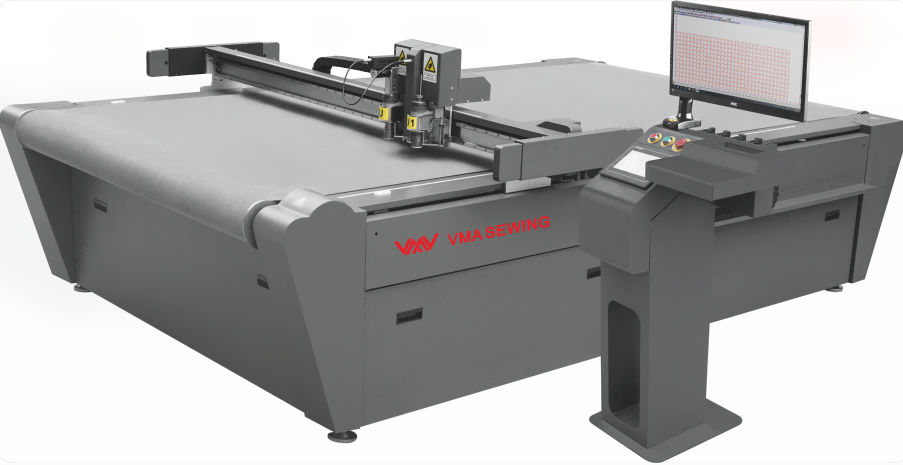
https://www.vmasewing.com/v-pc2518-asynchronous-laser-cutting-machine.html?is_preview=6c420af5f211772e7894cbe466be3c58
Parameters
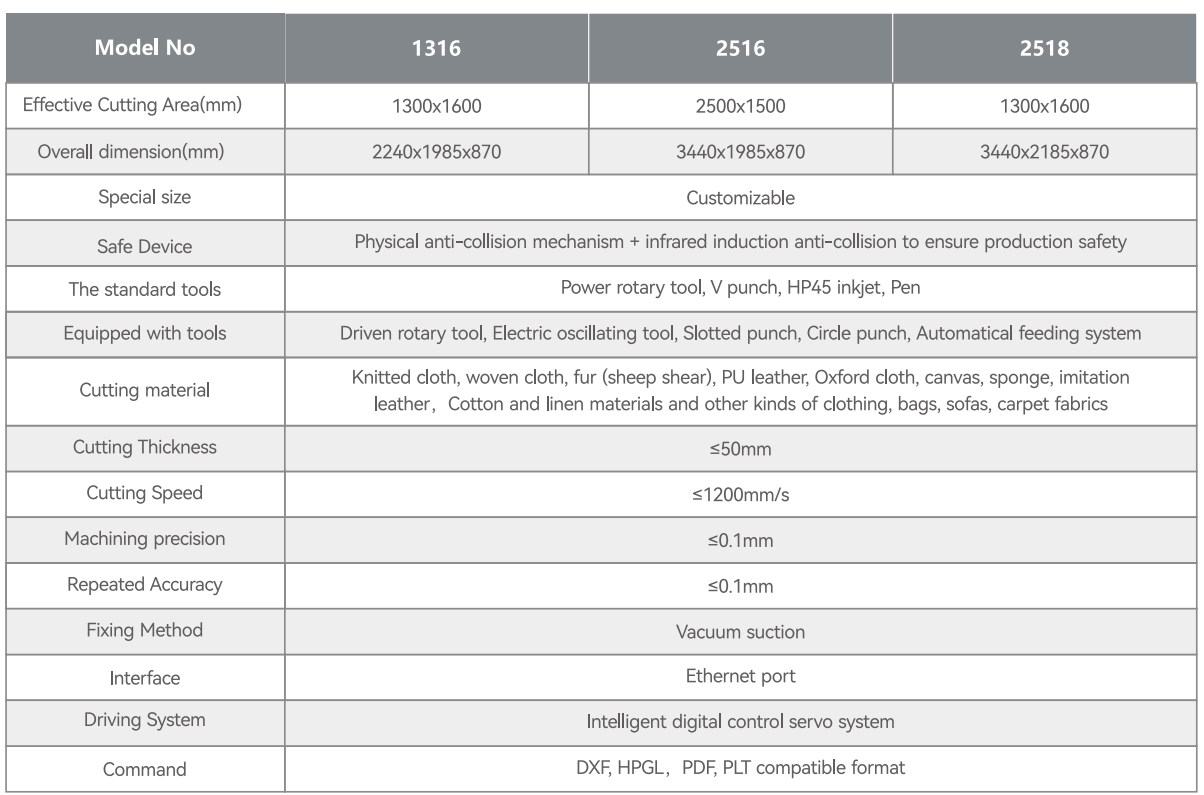
The VMA V-PC2518 Single Layer Auto Cutting Machine is one option for factories seeking to upgrade from manual cutting to automated single-layer cutting.
By selecting suitable fabric cutting equipment and combining it with industrial sewing machines, garment factories can improve workflow efficiency and establish a more consistent production process.
Conclusion
Both single-layer and multi-layer automatic cutting machines play important roles in modern apparel manufacturing.
A single layer cutting machine is generally more suitable for flexible, small-batch and customized production, while a multi layer cutting machine is often preferred for high-volume cutting of repeated garment patterns.
Choosing the right automatic fabric cutting machine according to fabric characteristics, order volume and production requirements can help garment factories improve cutting efficiency, control material waste and optimize overall manufacturing costs.
FAQ
What is the main difference between single-layer and multi-layer cutting machines?
A single-layer cutting machine cuts one fabric layer at a time, while a multi-layer cutting machine processes stacked fabric layers in one cutting operation.
Which automatic cutting machine is better for small garment factories?
Single-layer cutting machines can be suitable for smaller factories handling customized orders, samples or frequent style changes.
Can automatic fabric cutting machines reduce fabric waste?
They can help improve cutting consistency and material utilization when combined with suitable nesting software, cutting layouts and machine settings.
Sewing Automation Solution Expert